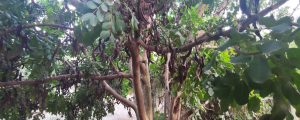
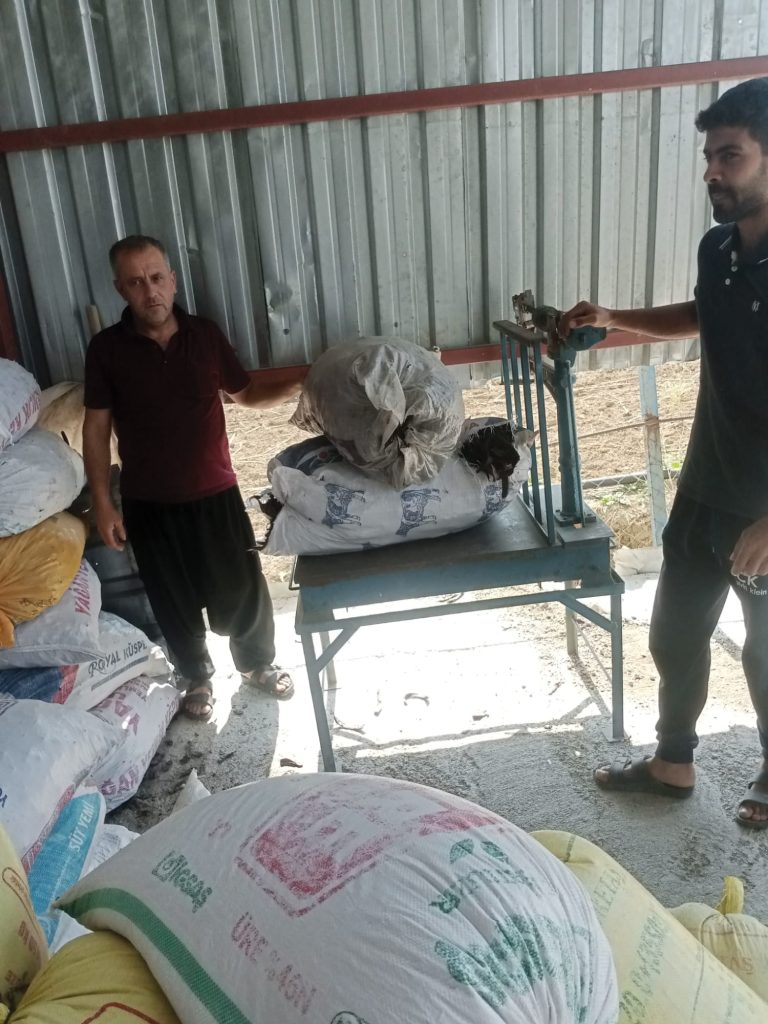
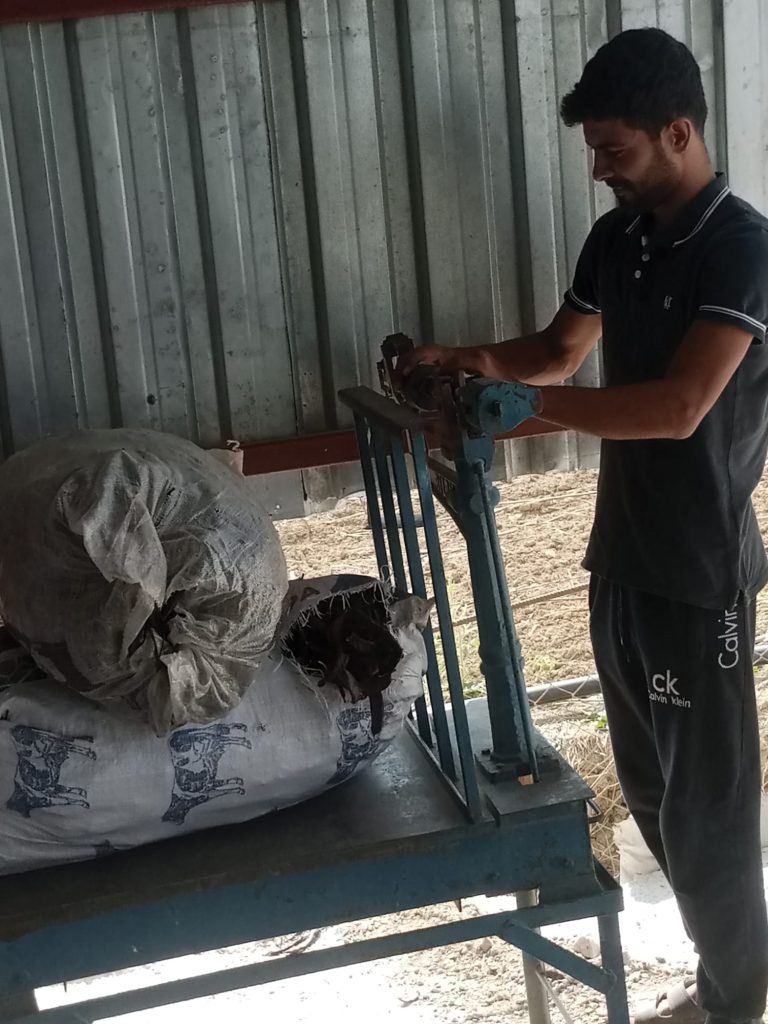
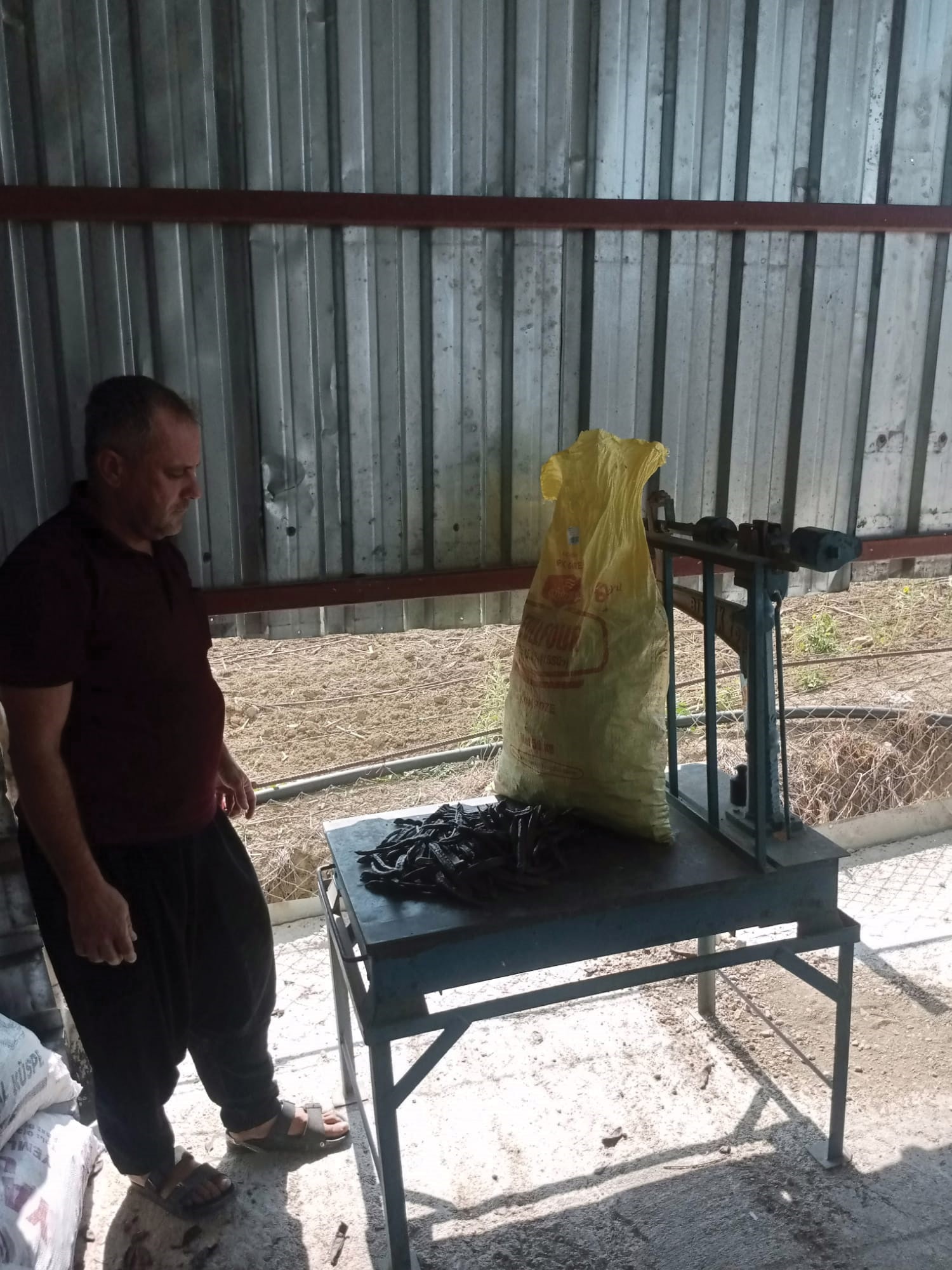
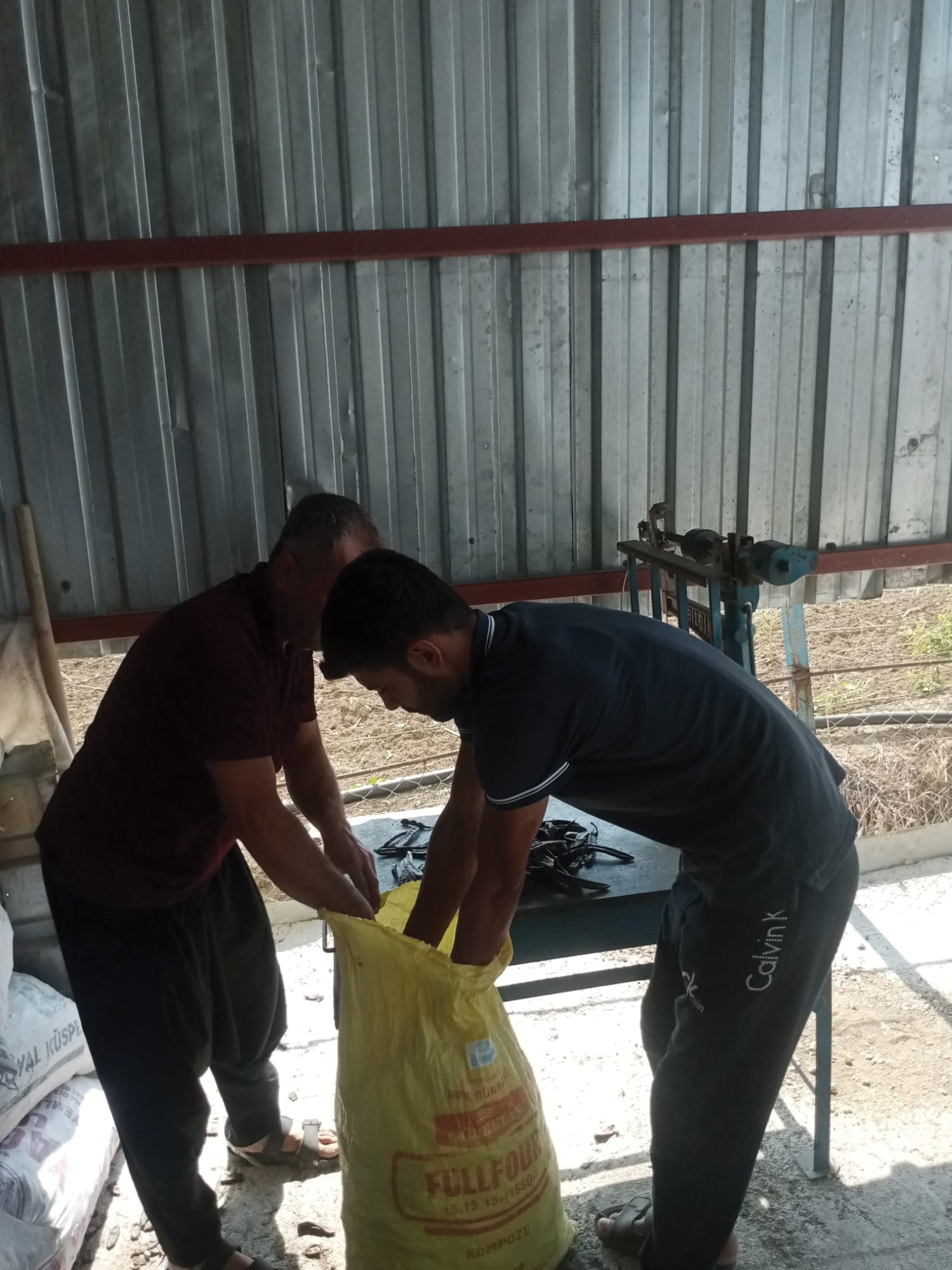
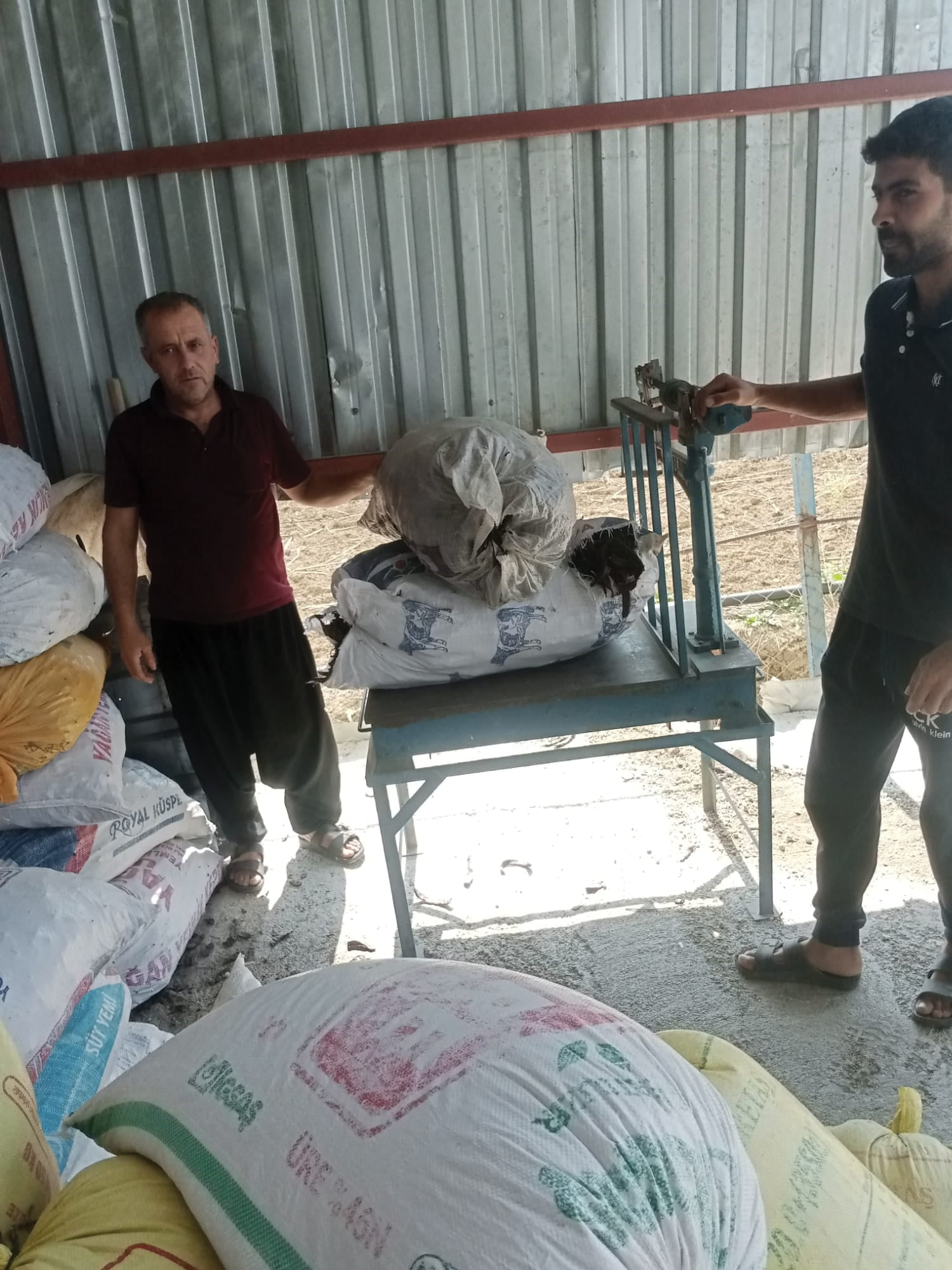
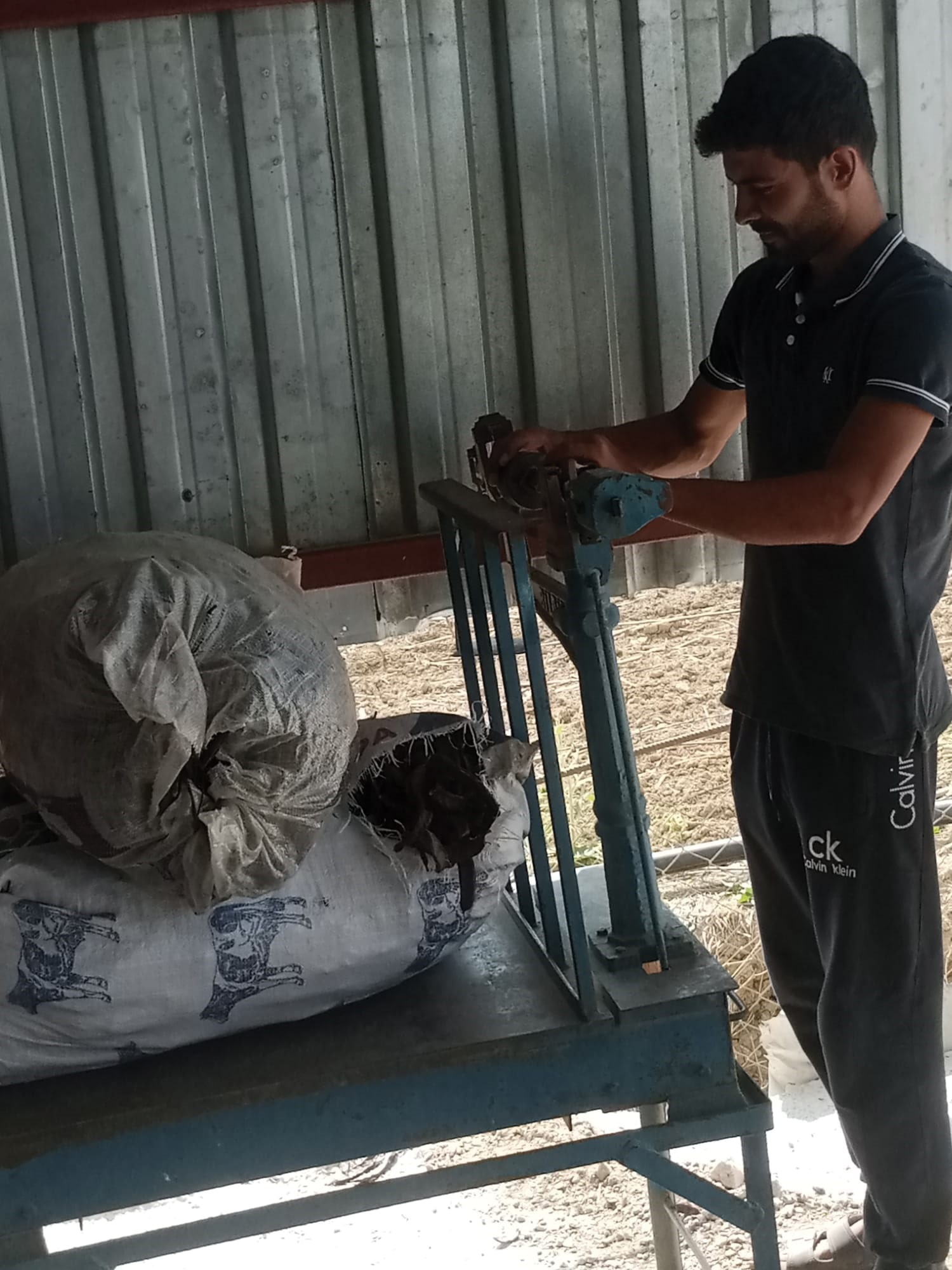
The carob seeds obtained in our region are different from the products produced by other producers in the world. In other countries of the world, carob trees are cultivated by farmers, but the carob trees in the Çukurova region have grown spontaneously like other forest trees and the carob seeds obtained here have not been exposed to any chemical compounds and chemical fertilizers have not been used. The ripe fruits of the carob trees, which grow naturally on the forest edges or around the farmers’ fields and gardens, are picked by hand by the villagers when it is time to harvest. The products brought to our warehouses are completely natural and organic.
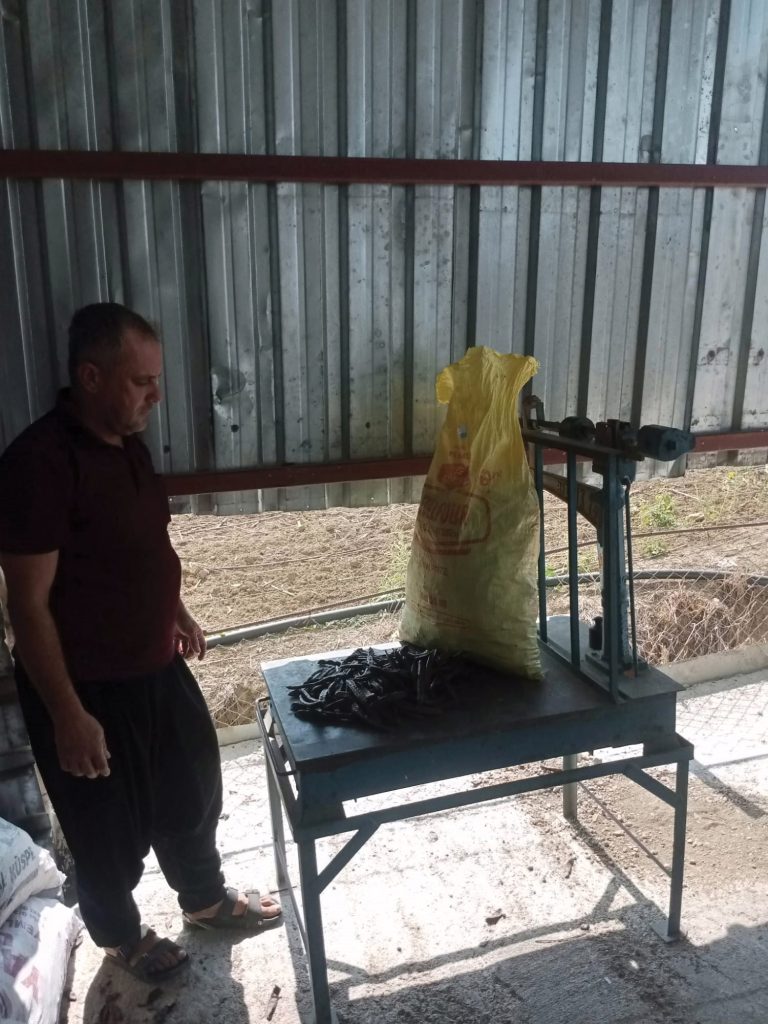
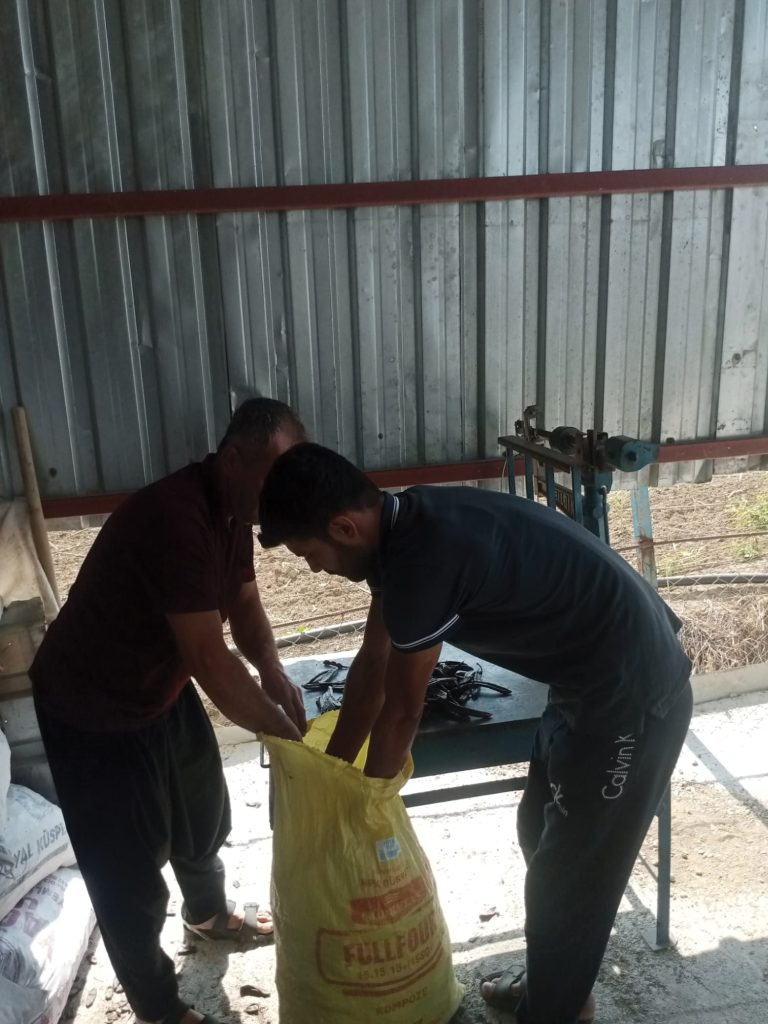
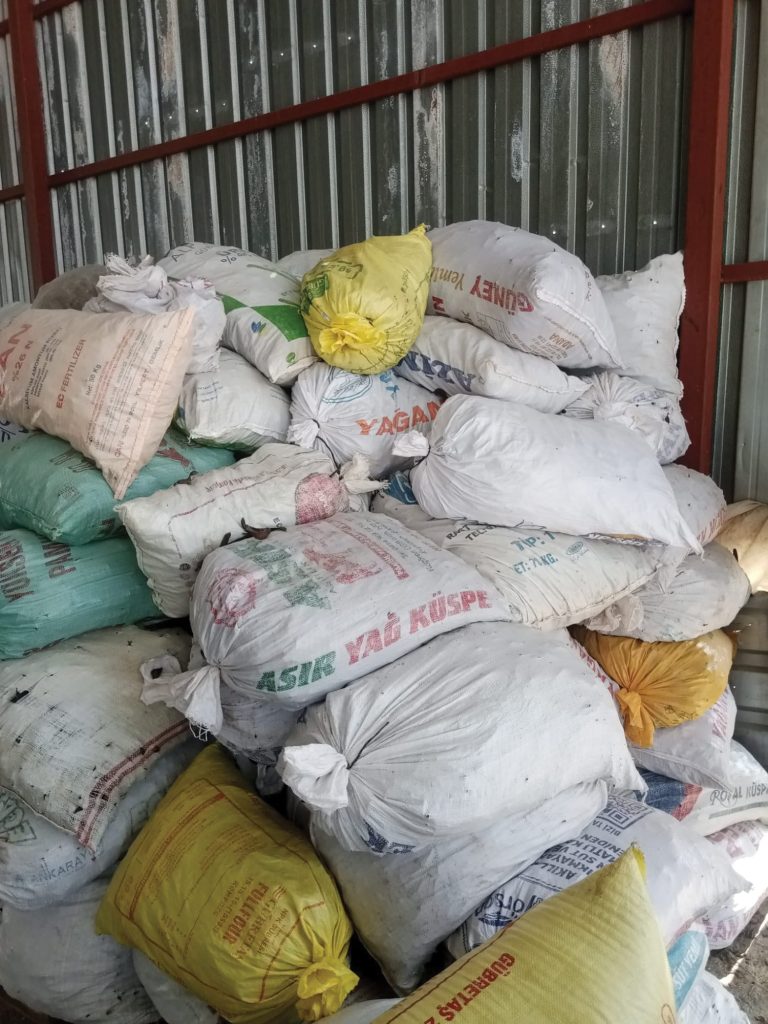
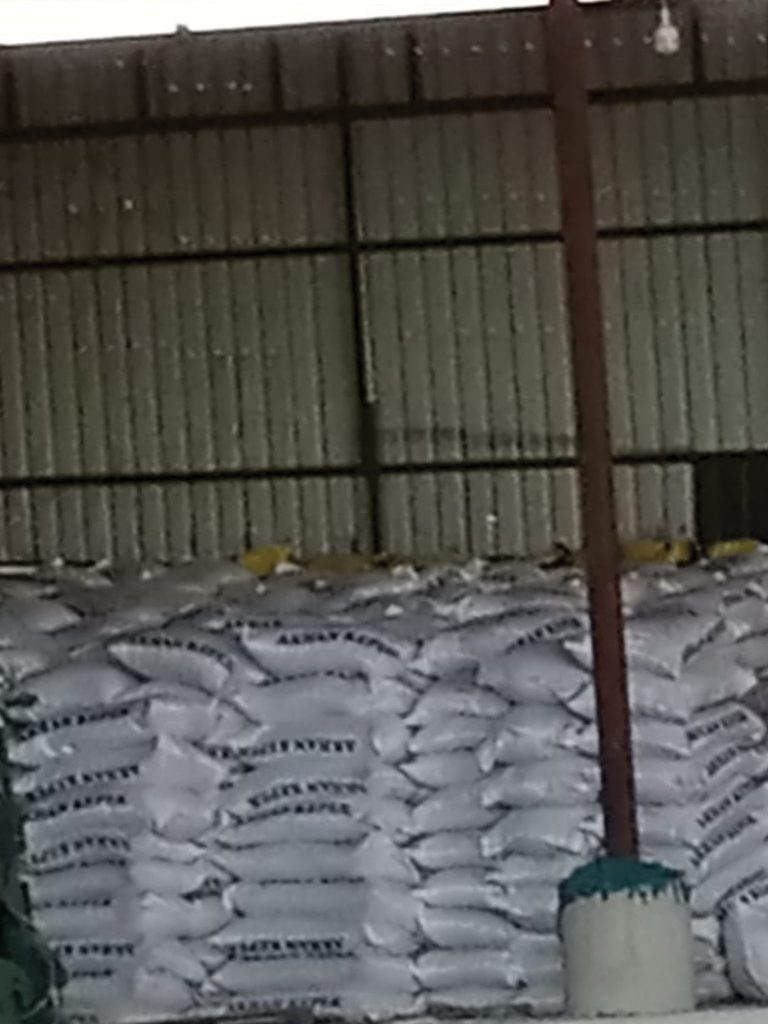
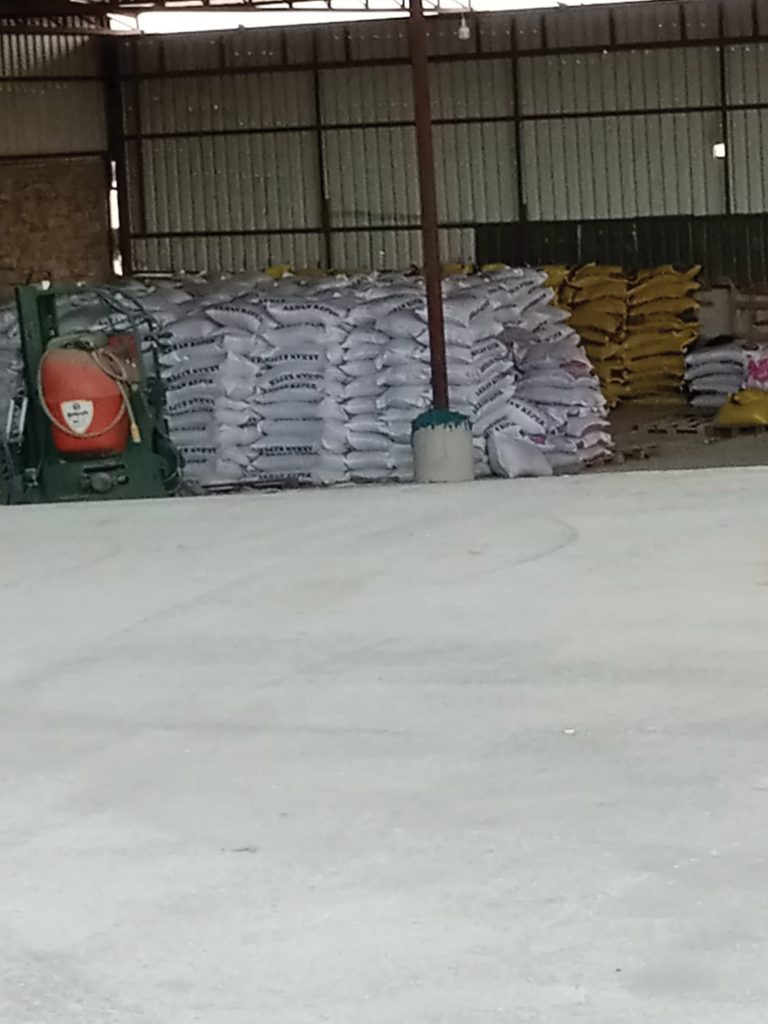
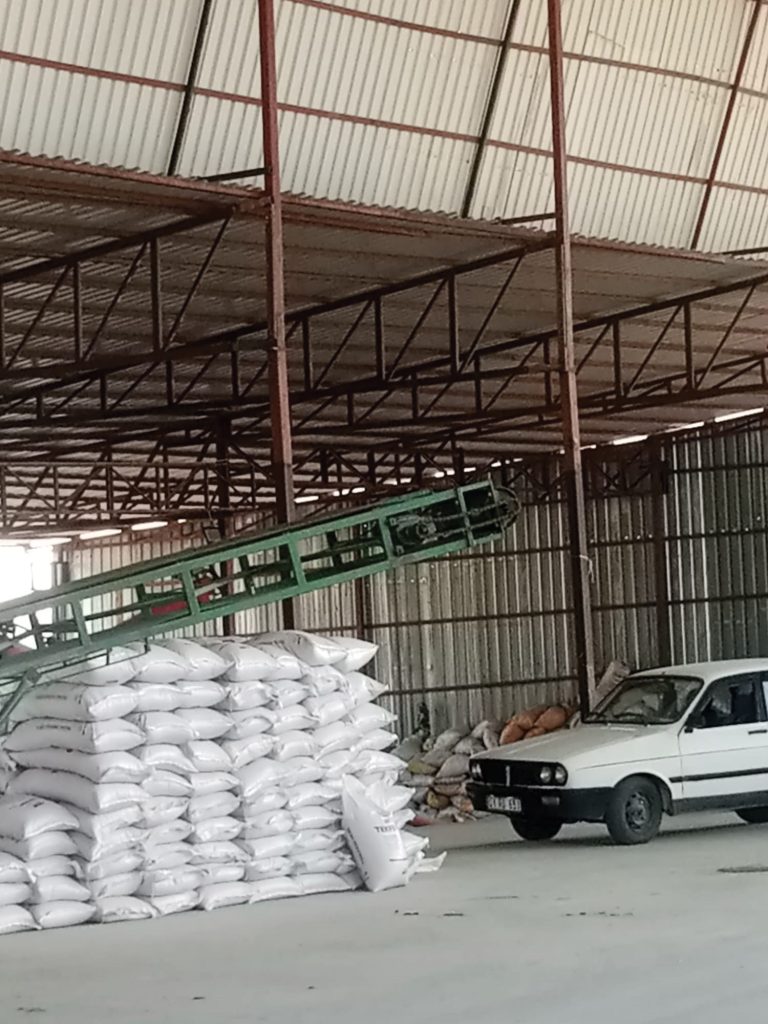
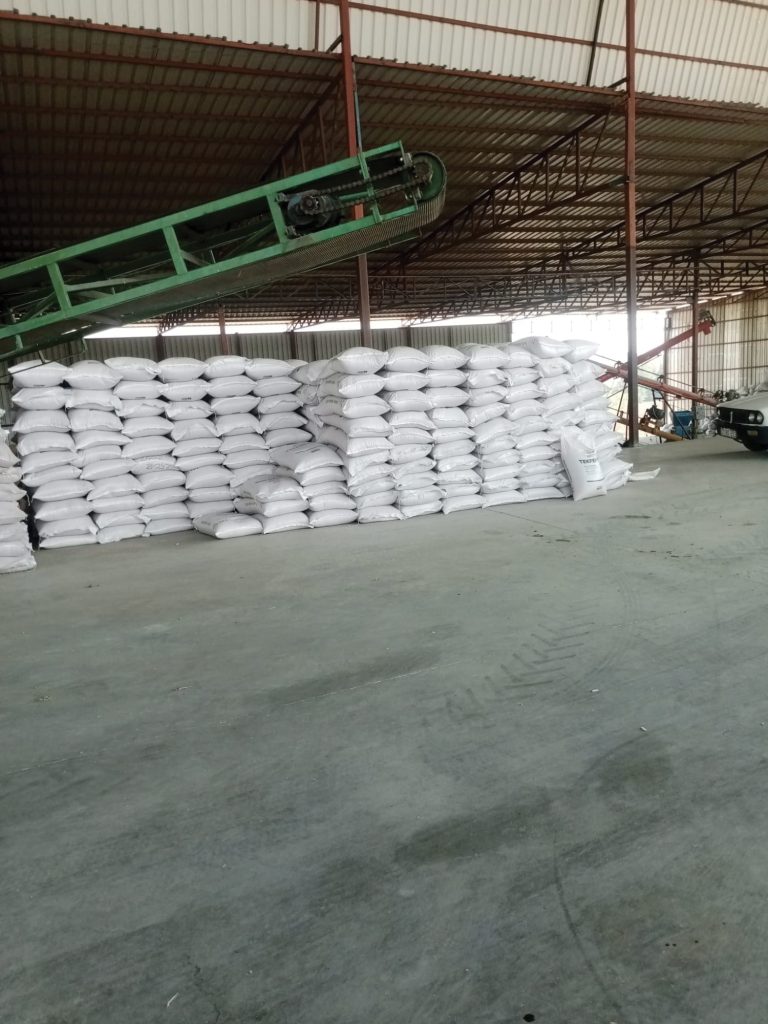
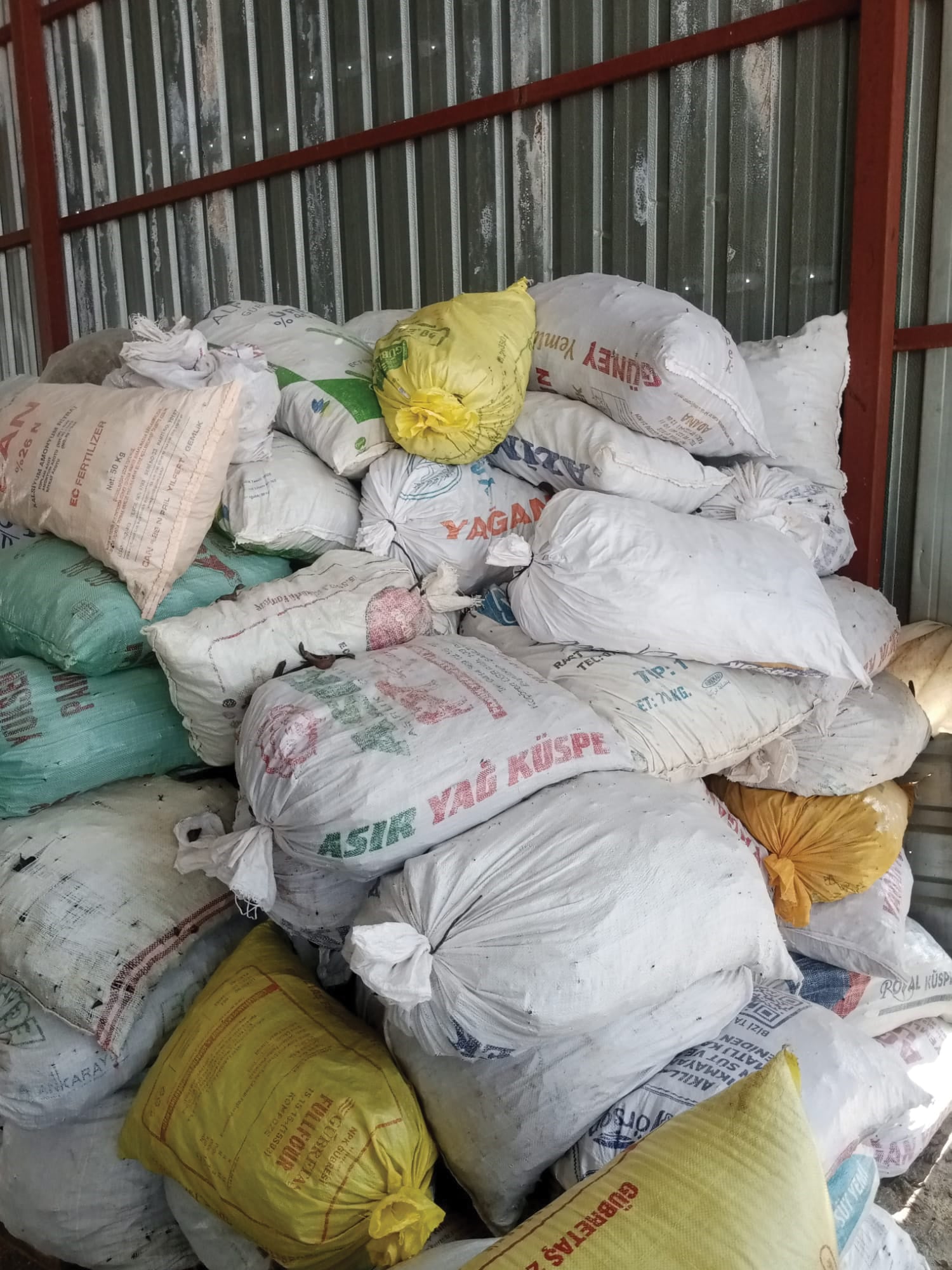
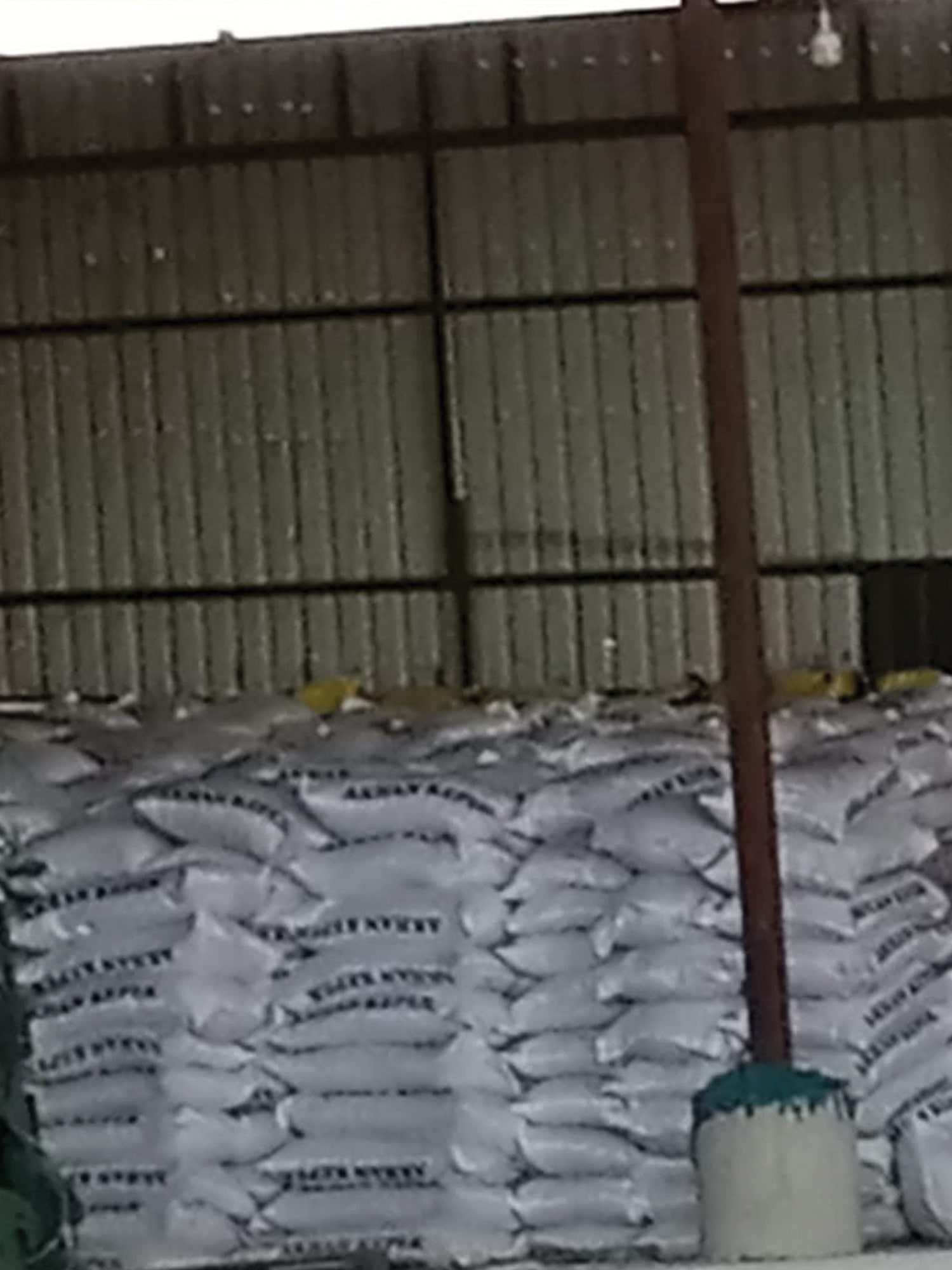
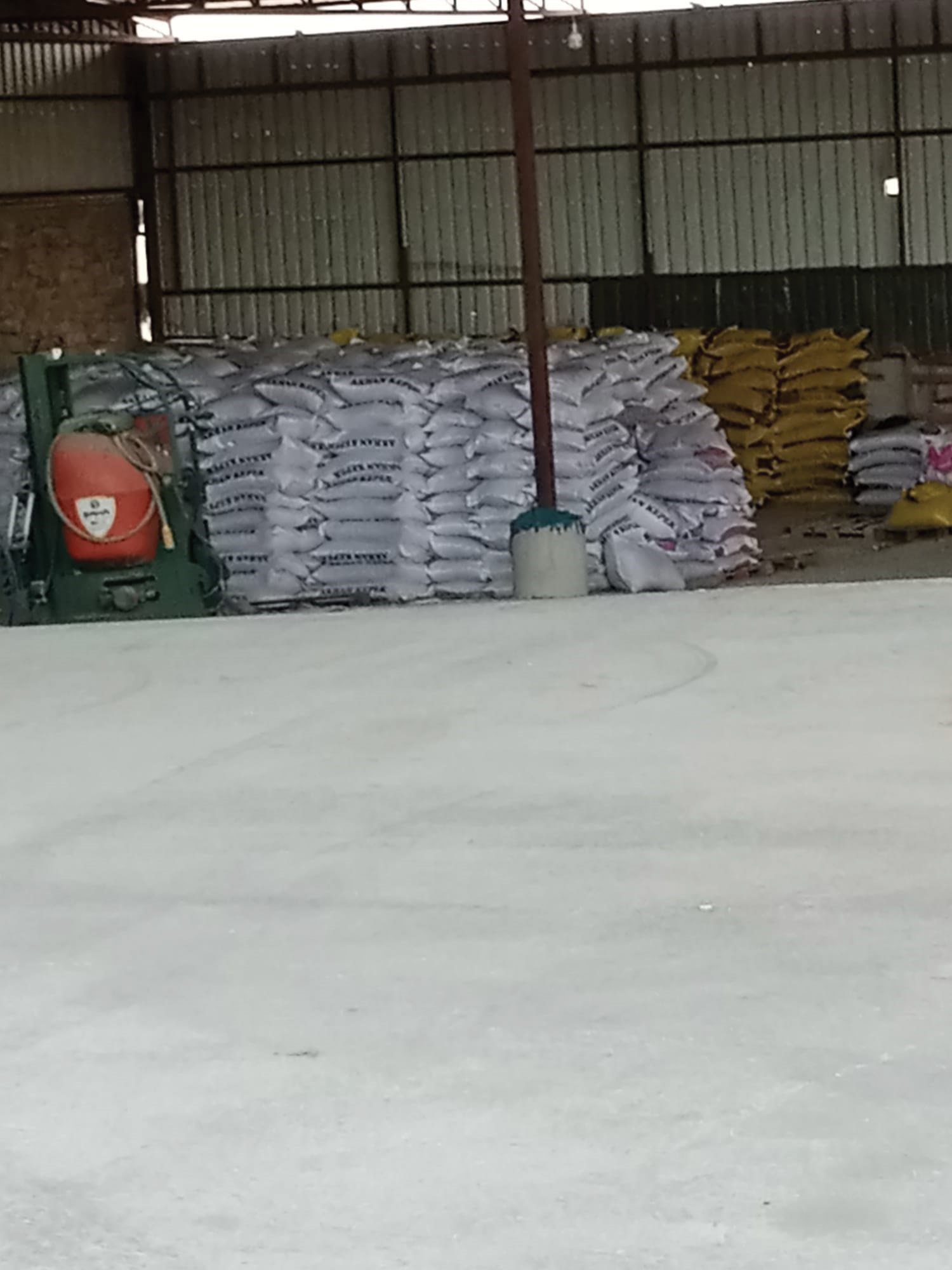
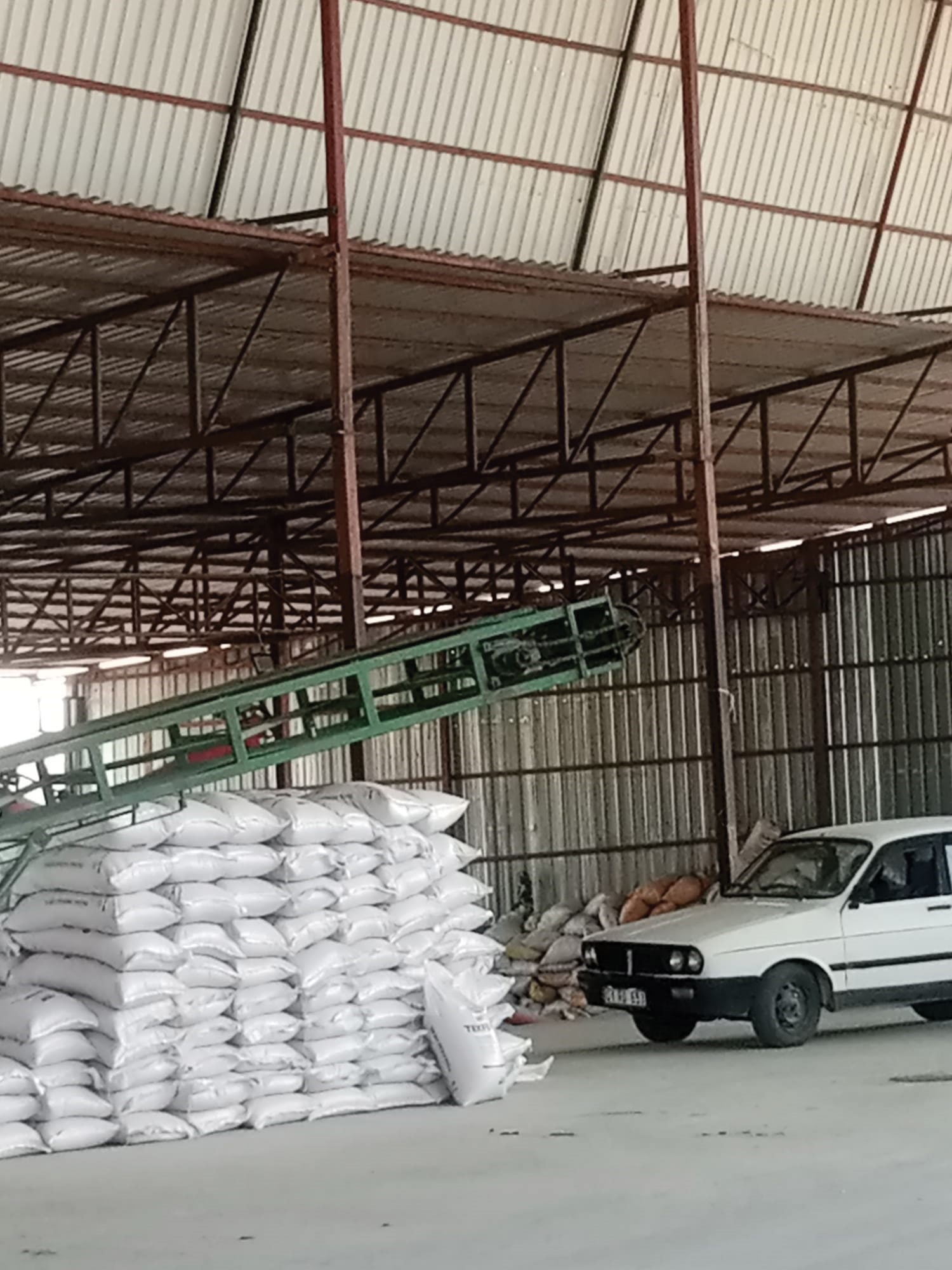
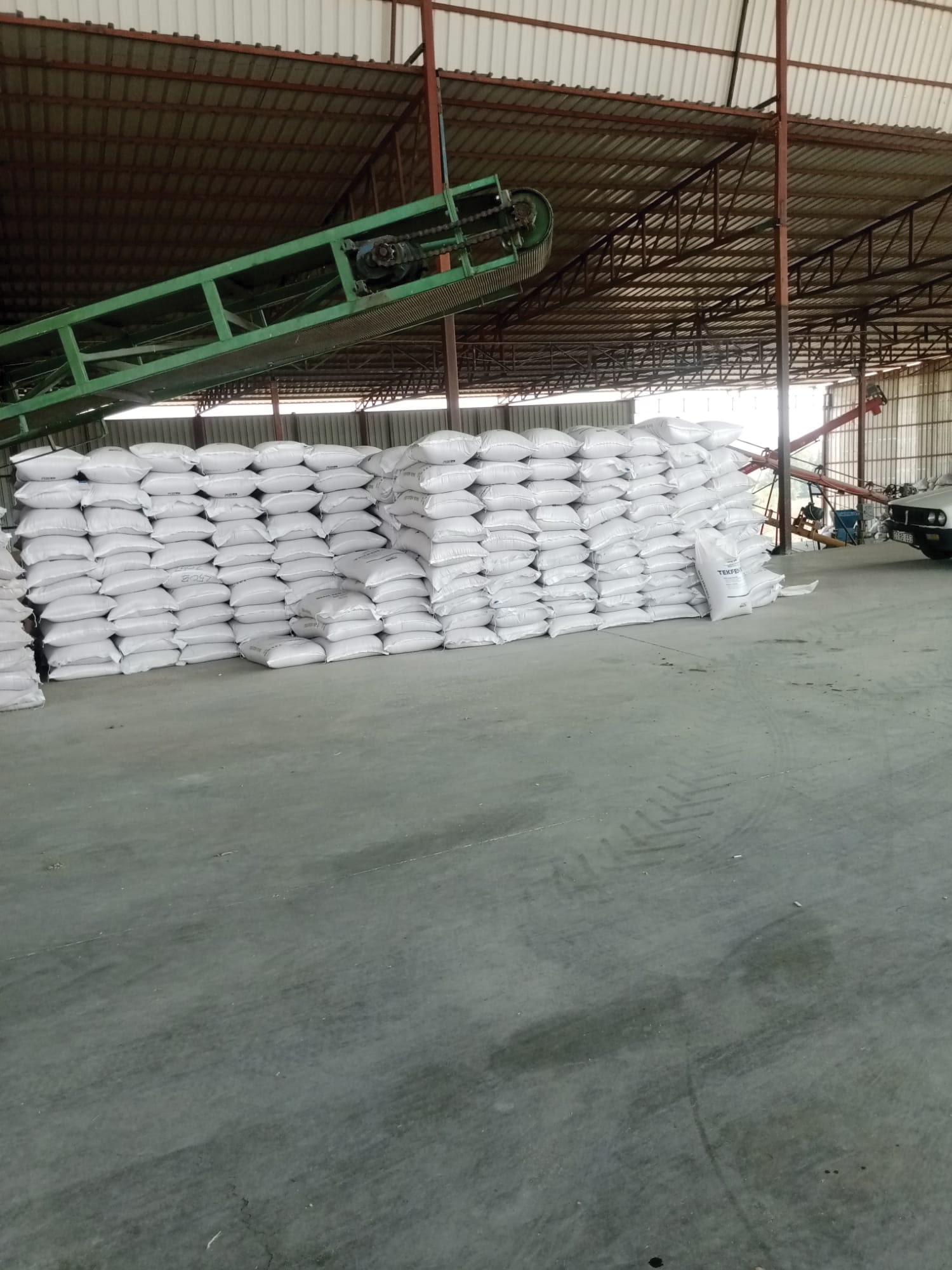
Carob beans, (Locust Bean) which are harvested between August and November, are quality-controlled in our warehouses in the villages and then purchased from the farmers. After the end of the harvest season, the carob seeds collected in our warehouses are brought to our factory in Kozan district center. The carob seeds obtained after crushing and separation are stored in 25 and 50 kg sacks. The carob kernels (carob seeds) filled in the sacks are stored in our sheltered warehouses and made ready for export.
Uses of Carob Kernel
Carob (Ceratonia siliqua) is a long-lived and durable tree native to the Mediterranean climate. Carob, the fruit of this tree, has been used for thousands of years for both food and medicinal purposes. Carob kernel is one of the most valuable parts of carob and has a wide range of uses.
1. Food Industry
Carob kernels are used in many food products, especially in the form of carob flour, which is obtained by grinding. Carob kernel flour has a low glycaemic index, making it a suitable alternative for diabetics. Furthermore, carob kernel flour can be used as a natural sweetener.
Prominent uses:
- Chocolate and sweets: Carob flour can be used as a substitute for cocoa powder.
- Bakery products: Carob flour is used in products such as bread, cakes and cookies.
- Natural sweetener: It is preferred as a natural sweetener instead of sugar.
2. Cosmetics and Personal Care Products
Carob beans are also used in cosmetics and personal care products. Carob kernel extract is known for its moisturising and softening properties in skin care products. In addition, carob kernel oil can be used in hair care products to make the hair look healthier and shinier.
Prominent areas of use:
- Skin care creams: It has moisturising and anti-aging effect.
- Shampoos and conditioners: Nourishes and strengthens the hair.
- Lip balms: Moisturises and softens the lips.
3. Health and Medical Use
Carob kernels contain many components that are beneficial for health and can be used for medicinal purposes. Rich in fibre, carob kernels facilitate digestion and support intestinal health. In addition, carob kernels are also known for their antioxidant properties and protect the body from the harmful effects of free radicals.
Prominent areas of use:
- Digestive health: It is used against constipation and intestinal problems.
- Antioxidant support: Protects the body against the harmful effects of free radicals.
- Blood sugar regulation: It is suitable for diabetic patients due to its low glycaemic index.
4. Animal Feed
Carob kernels are also used as animal feed. It is particularly known as a nutritious feed additive for livestock. Thanks to their high fibre content and nutritional components, carob kernels support the digestive system of animals and improve their overall health.
Prominent uses:
- Livestock: Feed additive for animals such as cows, sheep and goats.
- Domestic animals: Nutritious feed additive for birds and small mammals.
5. Industrial and Technical Uses
Carob beans (HS code 1212.99.95) have various uses in industrial and technical fields. Carob bean gum (E-410) is used as an adhesive and thickening agent in the textile and paper industry. Furthermore, carob kernel powder can be used in some technical applications.
Prominent uses:
- Textile industry: As an adhesive and thickening agent.
- Paper industry: Additive in paper production.
- Technical applications: Various technical applications in different industries.
Carob beans have a wide range of uses in many areas from food to cosmetics, from health to industry. With its natural and nutritious properties, carob kernels will continue to be utilised as an important raw material in the future.