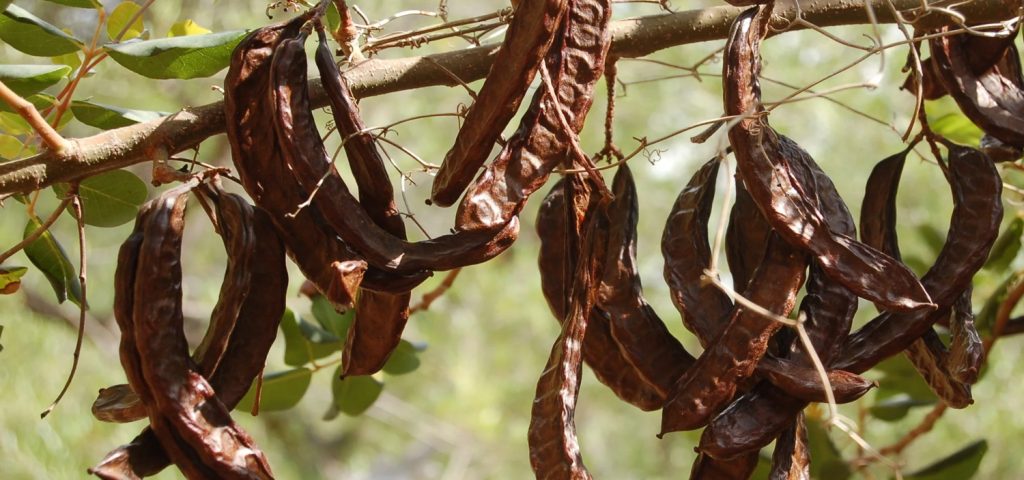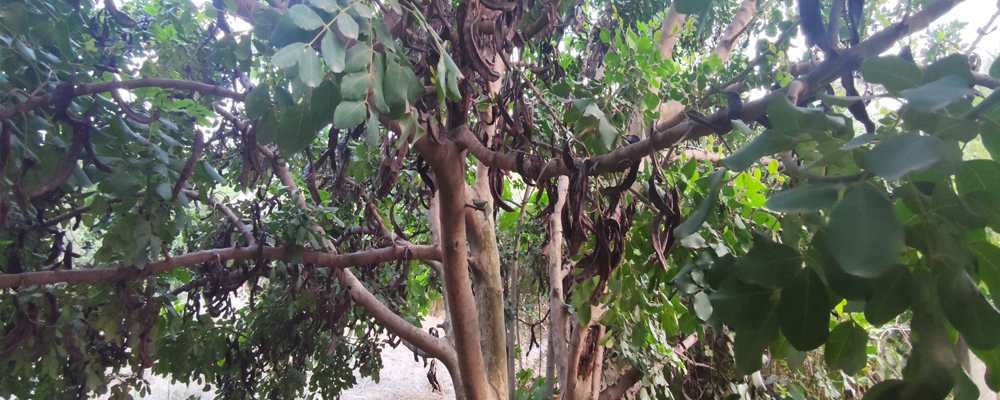
Carob, scientifically known as “Ceratonia siliqua”, is a flowering evergreen tree or shrub in the legume family Fabaceae. It is native to the Mediterranean region and is cultivated for its edible pods. Here are some critical points about carob:
- Carob Pods:
The carob tree produces long, dark brown pods that contain sweet, edible pulp and seeds. The pods are often ground into carob powder, used as a chocolate substitute in various recipes.
- Uses of Carob:
- Carob Powder: Made from dried, roasted pods, it is a versatile ingredient in baking and cooking, serving as a delicious and healthy substitute for cocoa powder. Carob Powders‘s natural sweetness and lack of caffeine and theobromine make it a unique addition to various recipes.
- Carob Molasses is a syrup made from the pods, which is used as a natural sweetener in various dishes.
- Animal Feed: The pods and their by-products are used as nutritious feed for livestock.
- Carob Seeds: The seeds are processed to produce carob gum (locust bean gum), a natural thickening and stabilizing agent used in the food industry.
- Nutritional Value: Carob is high in fibre, low in fat, and contains vitamins and minerals such as calcium, potassium, and iron. It is also gluten-free. Carob Seeds are used to make Locust Bean Gum (E-410) for industrial use.
- Health Benefits: Carob is more than just a tasty ingredient. It’s a health hero. It’s known for its digestive benefits, cholesterol-reducing properties, and its ability to manage digestive disorders. Its natural sweetness and nutritional benefits make it a popular choice in various health foods.
- Cultivation: Carob trees are hardy and drought-tolerant, making them suitable for cultivation in arid and semi-arid regions. They require little maintenance and can thrive in poor soil conditions.
Carob, a resource that has been cherished for thousands of years, continues to be a valuable asset in culinary and industrial applications, connecting us to a rich cultural tradition.