what we do
Carob Processing Steps
Harvesting carob by villagers:
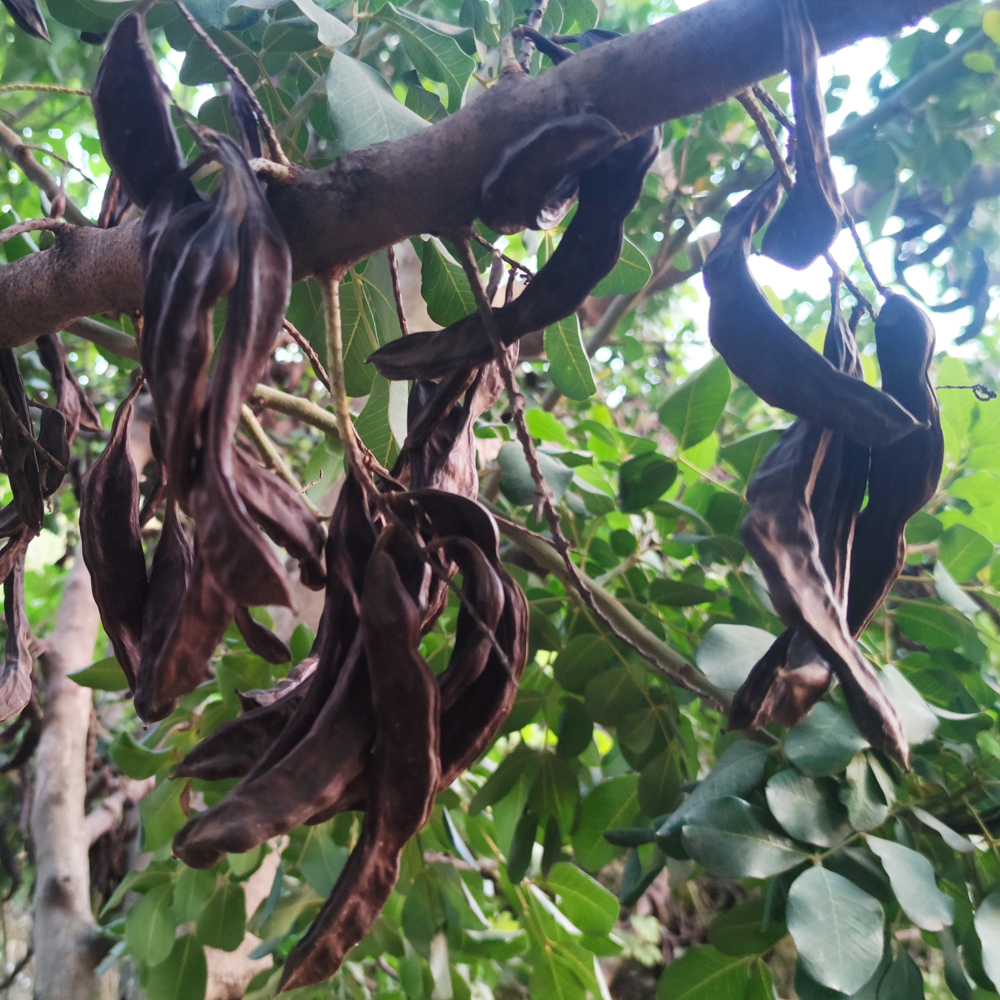
Carob harvesting in the Çukurova region starts in August and continues until November. The ripe carob fruits are collected by the villagers living in the region. During the picking process, the tree is climbed with a ladder and picked by hand. Long sticks are used to reach the carob fruits on very high branches. Carob trees bear fruit once a year and the whole tree is usually harvested after all the fruits have ripened.
Most of the carob trees in the region are spontaneous. About ten years ago, after a forest fire in the region, carob trees were planted in some areas by the General Directorate of Forestry staff during afforestation work. However, these trees, like other trees in the forest, have grown and grown completely naturally. The carob fruits collected have never been exposed to artificial factors such as chemical fertilizers and pesticides and are completely organic.
Buying Carob from the villagers:
Çukurova region has very fertile soils. The villagers who are engaged in farming in the region start to collect the fruits of natural carob trees near their villages or fields from August to provide additional income. In the villages of Kozan and İmamoğlu districts of Adana province, they come to carob collection centers to sell the carob fruits.
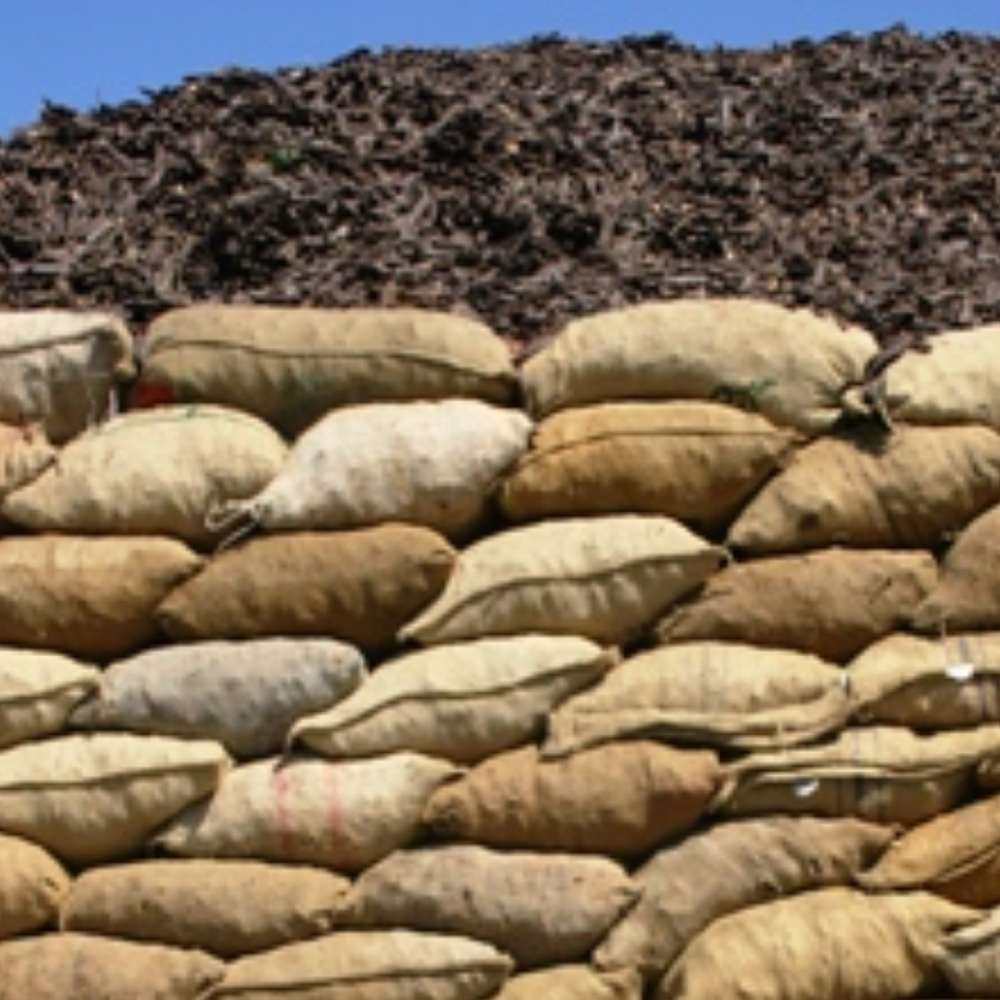
Some villagers bring 300 – 500 kg and some bring 1000 – 1500 kg of carob. The carob fruits that arrive at the collection center are weighed after quality control and the villagers are paid. The carob fruits accumulated at the collection center are transported to the warehouse of our Carob Processing Factory in Kozan district.
Carob Crushing and Sorting Processes:
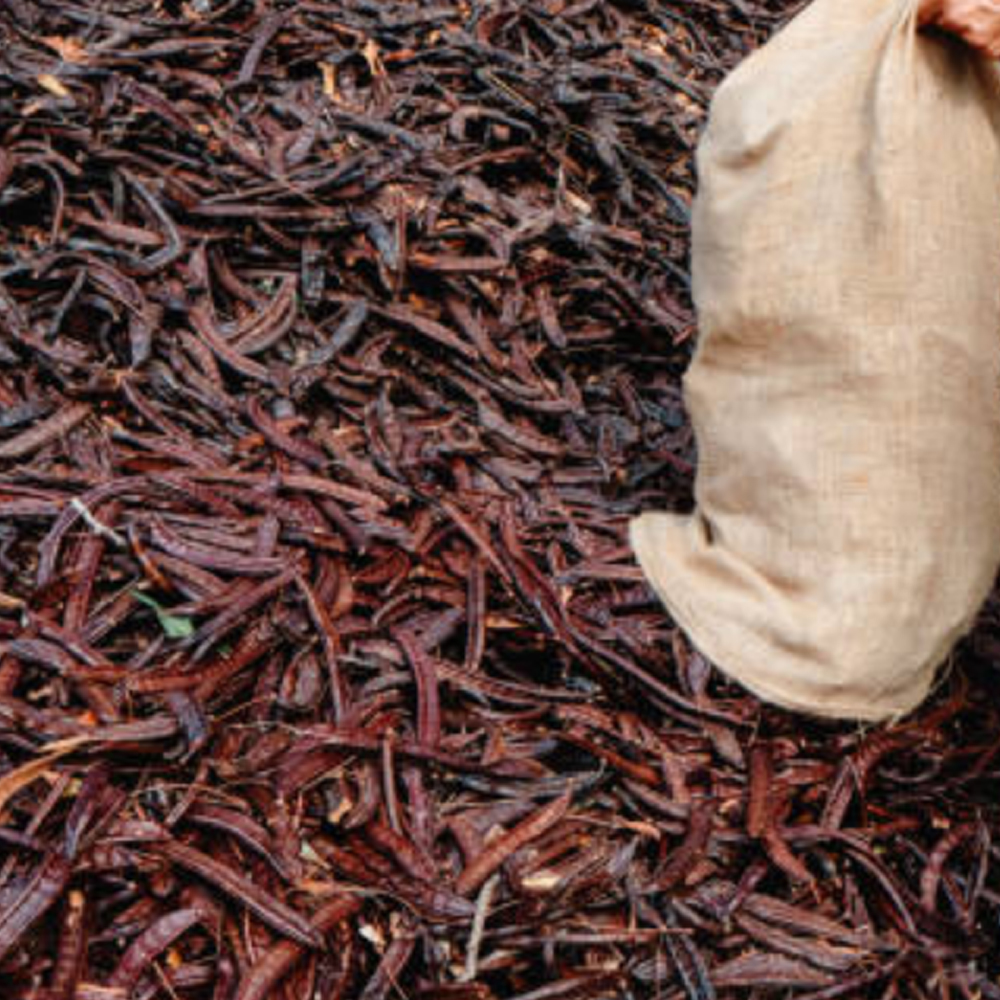
After the carob harvest is completed, crushing and sorting processes are applied to the carob fruits collected in our factory. The carob fruits loaded into the machines in our factory are first crushed into large pieces and then into small pieces. At the last stage, the kernels and carob flour are separated. From these separated products;
- Medium-sized pieces obtained from the carob crushing process are used to make carob molasses.
- Small sized pieces are separated for animal feed production.
- The smallest particles are sieved to obtain carob flour.
- The carob kernels separated in the sieves are filled into sacks for storage.

The crushed carob is passed through sieves to separate the fruit and seeds. The sorting process is usually carried out in two main stages:
a) Screening (Classification)
The carob pieces obtained after the crushing process are classified according to their size with the help of sieves. In this process, the seeds are separated together with the larger pieces, while the smaller fruit pieces are included in another class. The sieving process allows the seeds to be removed more easily.
b) Seed Separation
The vibration technique is used to separate the seeds from the sifted carob pieces. In the vibration method, parts with different densities are separated from each other. As a result of this process, the carob kernels are completely separated from the fruit and collected.

After crushing, shredding and separating the carob fruit, they are transported to different departments by conveyors.
- Large pieces of carob,
- Small pieces of carob,
- Carob flour and
- Carob kernels (Carob Beans)
They are divided into four parts.
The separated products are filled into separate sacks and the large carob pieces are sent to the carob molasses factory. The smaller pieces are packed in sacks and sent to the feed factory to make animal feed. The carob flour is also packed in sacks and sent to be packaged as carob flour. The remaining carob kernels are packed in 25kg and 50kg sacks and stored in our warehouse ready for export. Carob kernels are stored in our warehouse so that they are not damaged by heat and humidity.
Locust bean kernels produced completely organically, which are perfectly compatible with the production of Locust Bean Gum with E410 code used in the Food Industry, are ready to be exported with HS 1212.99.95 code (GTIB 1212.99.95).